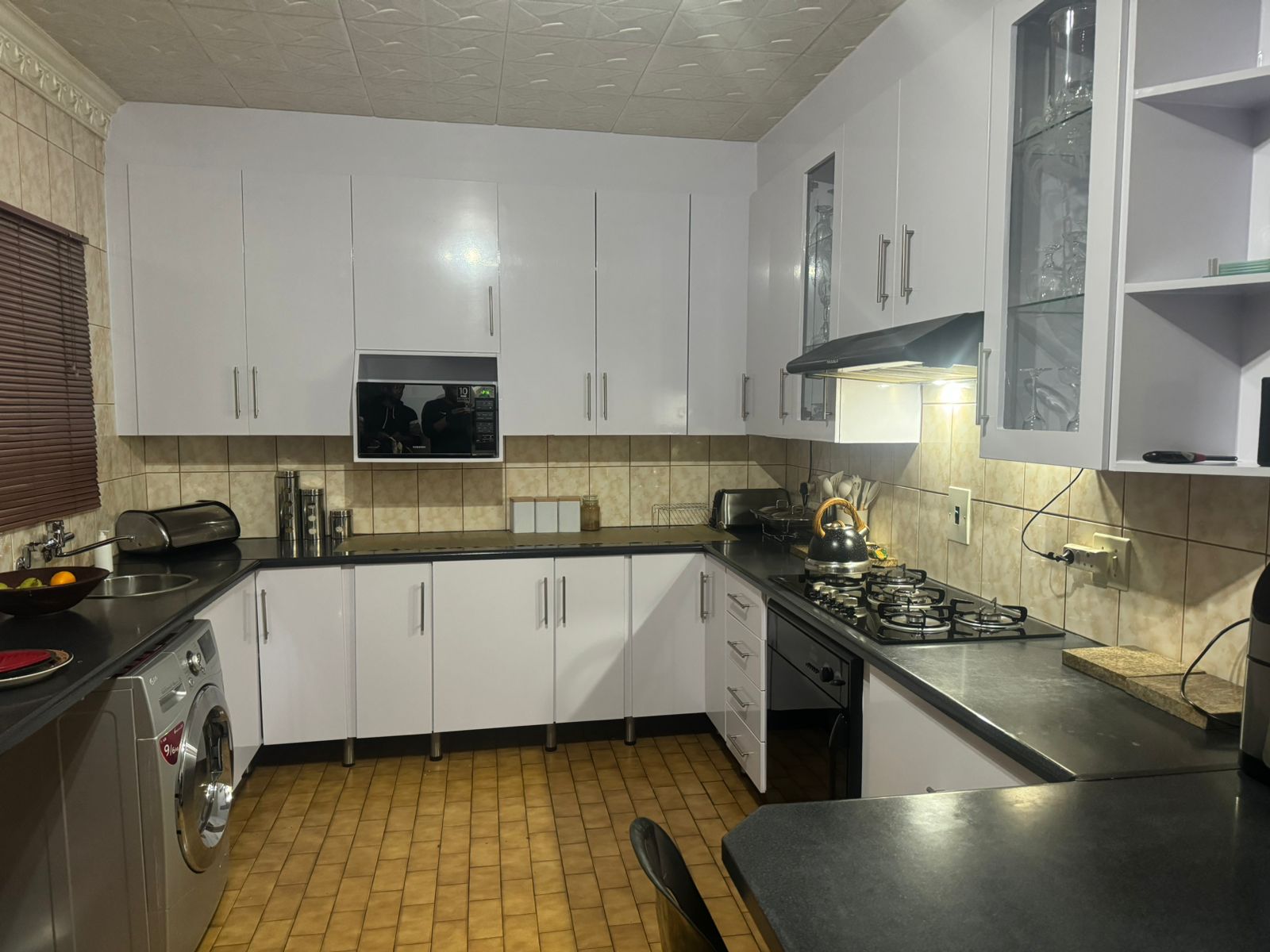
One of the first questions people ask about kitchen wrapping is how long it will last. It's a fair question — and one we answer honestly, because the answer depends on several factors that are worth understanding before you commit.
Our 3-Year Material Guarantee
All vinyl wrapping work completed by Kitchen Wrap Masters is backed by a 3-year material guarantee. This covers:
- Delamination — the vinyl lifting or peeling away from the surface
- Cracking or splitting under normal use conditions
- Significant changes in appearance (discolouration, bubbling) not caused by the client
The guarantee does not cover damage caused by misuse, harsh cleaning chemicals, physical impacts, heat damage from appliances placed directly against surfaces, or general wear and tear beyond normal use.
What Our Guarantee Means in Practice
If the material fails within 3 years under normal residential conditions, we return and address it. This is a genuine commitment — not a marketing line. Full terms are available in our Terms and Conditions.
What Actually Affects Lifespan?
With proper care, vinyl wraps in a residential kitchen frequently last 5 years or more. Several factors determine where on that range your wrap falls:
1. Installation Quality
This is the single biggest factor. A wrap installed by an experienced professional — with proper surface preparation, correct adhesive activation, and clean edge finishing — will dramatically outlast a rush job. Poor installation creates lifting edges and air pockets that accelerate failure.
2. Vinyl Grade
Not all vinyl is equal. We use premium-grade self-adhesive vinyl from reputable suppliers. Budget vinyl may feel similar initially but degrades faster under heat, moisture and UV exposure. If you're getting quotes elsewhere, ask specifically about the vinyl grade and brand being used.
3. Surface Preparation
Vinyl requires a clean, smooth, primed surface for maximum adhesion. If the substrate has contaminants, moisture, flaking paint, or deep pitting, the wrap will fail prematurely. Our installers perform surface preparation as part of every job.
4. Kitchen Environment
Kitchens are tough environments — steam, heat, splashes, and direct contact with utensils. Wraps near cooktops or in high-steam areas experience more stress. We account for this during installation, but the environment does influence long-term performance.
5. How You Clean It
This is where many clients unknowingly shorten their wrap's life. More on this below.
How to Clean and Care for Your Vinyl Wrap
Following these guidelines will meaningfully extend the life of your wrap:
✓ Do This
- Wipe with a soft, damp cloth
- Use mild soap or washing-up liquid
- Dry surfaces after cleaning
- Wipe spills promptly
- Use a microfibre cloth
✗ Avoid This
- Bleach or solvent-based cleaners
- Abrasive sponges or scouring pads
- Steam cleaners or pressure jets
- Picking or peeling at edges
- Leaving wet cloths against surfaces
What About Fridge and Furniture Wraps?
The same principles apply to fridge and furniture wrapping. Appliance wraps typically face less moisture stress than kitchen cabinetry but may be exposed to more handling. Furniture wraps in low-contact areas (shelving backs, wardrobe doors) often last the longest.
Can You Replace a Wrap After It Ages?
Yes — and this is one of vinyl wrapping's advantages. When your wrap eventually reaches the end of its life, it can be removed and replaced with a completely different colour or finish without any damage to the underlying surface. You're not locked in to your original choice.
"Think of vinyl wrapping like quality paint. Maintained properly, it lasts well beyond its guarantee. Neglected, it shows wear early. The material does its job — how it's looked after determines how long that lasts."
— Kitchen Wrap Masters
The Bottom Line
Professional vinyl wrapping, installed correctly with quality materials and cared for properly, will serve a residential kitchen for 5 years or more. We back our work with a 3-year material guarantee, and in practice the great majority of our installations continue performing well beyond that.
If you have questions about whether your specific kitchen or environment is suitable, ask us during the quoting process. We'd rather give you realistic expectations upfront than oversell.