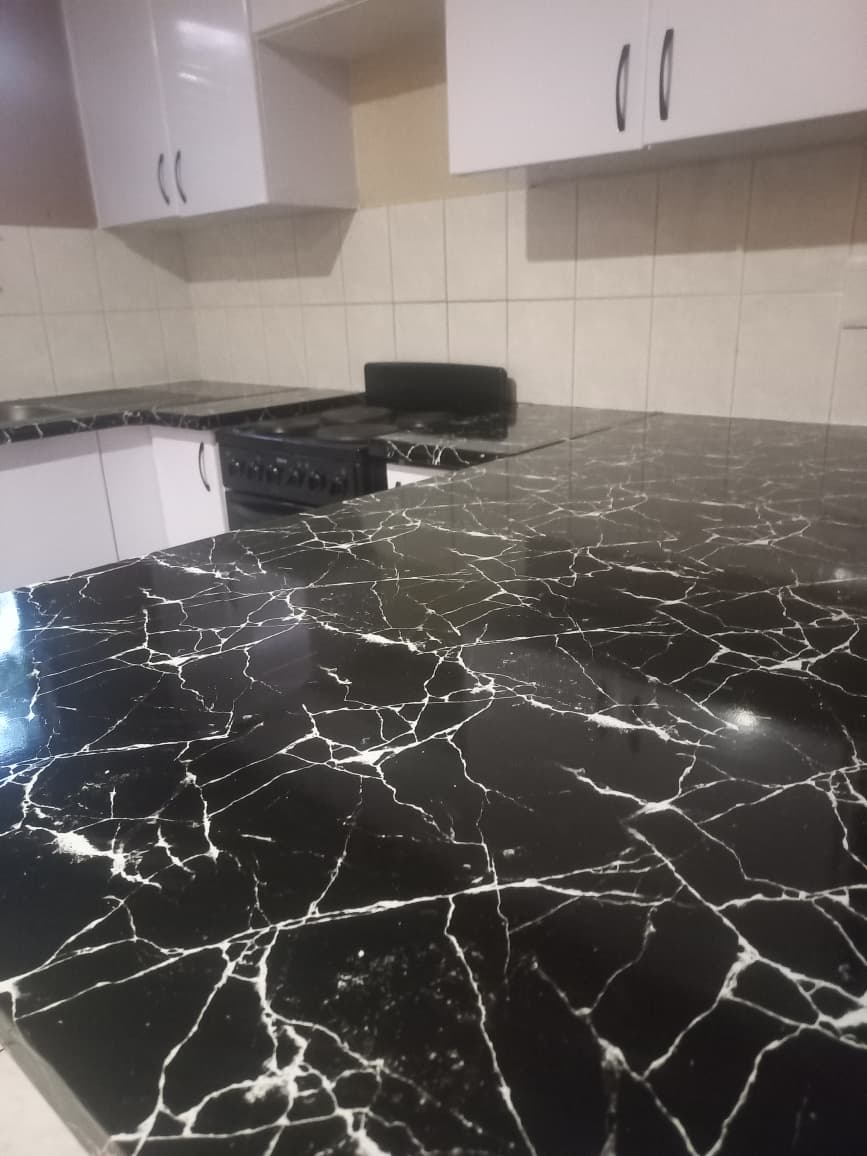
You look at your kitchen cabinets and the thought is unavoidable: they need to go. They're dated, worn, and out of step with how you want your home to look. But before you commit to a full kitchen replacement — and the disruption, mess, and cost that comes with it — it's worth asking whether vinyl wrapping might give you the same result for considerably less.
This isn't a sales pitch. It's an honest comparison of both options, so you can make the right decision for your situation.
The Core Difference
A full kitchen replacement means removing your existing cabinets entirely and installing new units. It's a significant construction job involving a contractor, potentially a plumber and electrician, days or weeks of disruption, and a complete kitchen downtime.
Kitchen wrapping applies a high-quality self-adhesive vinyl film directly over your existing cabinet doors and surfaces. The structures stay. Only the appearance changes. Most projects are completed in one to two days, with the kitchen usable again the same evening.
When Wrapping Makes Sense
Vinyl wrapping is the right choice when:
- Your cabinet structures are sound. If the carcasses (the boxes behind the doors) are solid and functional, there's no reason to replace them — only the visible surfaces matter.
- You want a dramatic change quickly. Wrapping transforms a kitchen in one to two days. Replacement can take weeks and requires full kitchen downtime.
- Budget is a real consideration. Kitchen wrapping is significantly less expensive than installing new cabinetry — without the visual result being dramatically different for everyday use.
- You're in a rental property. Vinyl is reversible. It can be removed without damaging the original surface, which makes it ideal for tenants who want to improve their space without permanent changes.
- You need minimal disruption. No demolition, no dust, no contractors traipsing through your home for days.
When Replacement Makes More Sense
There are situations where full replacement is genuinely the better option:
- Structural damage. If the cabinet carcasses are rotting, swelling, or structurally compromised, wrapping the doors is treating the symptom, not the cause.
- Layout change. If you want to reconfigure the kitchen layout — move where appliances sit, add an island, or change the workflow — wrapping can't help with that.
- You're renovating anyway. If you're already replacing flooring, countertops and appliances, full cabinetry replacement may make more sense as part of a total renovation scope.
What Does Wrapping Actually Look Like?
When applied by specialists, vinyl wrapping produces a finish that looks indistinguishable from purpose-made cabinetry to most observers. You can choose from a wide range of finishes — high-gloss white, matte grey, wood grain, marble effect, and hundreds of other options.
The key is surface preparation and installer skill. A poorly applied wrap will show edges, bubbles and imperfections. A professionally applied wrap, like the work our team produces, sits flat, cuts clean at edges, and lasts years under normal use.
"The result should look like it was made this way. If it looks like a wrap, it wasn't installed well."
— Kitchen Wrap Masters
The Honest Bottom Line
If your cabinet structures are in good condition and you want to change the look of your kitchen without a construction project, vinyl wrapping is an excellent choice. It's fast, cost-effective, and reversible — and the results, done well, are genuinely impressive.
If your kitchen needs structural work, a layout change, or is part of a full home renovation, then full replacement may be the right path.
The best starting point? Get a quote. Our team assesses every project honestly — and if wrapping isn't the right solution for your situation, we'll tell you so.